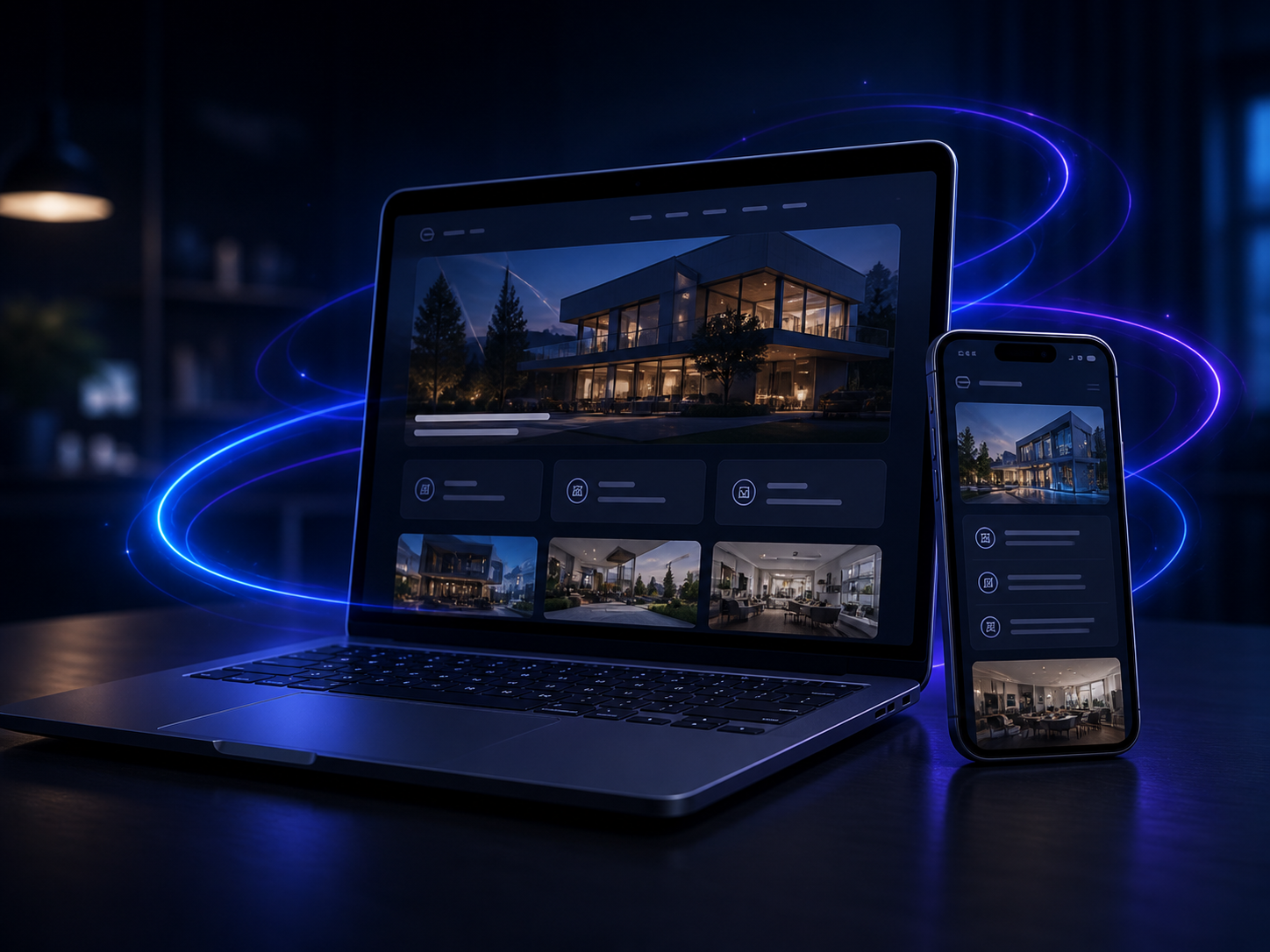
Explain the offer clearly
Visitors should quickly understand what you do, who it is for, and how to work with you.


Digital Studio
A good website should make it easy for visitors to understand what you do and take the next step. Intelixa builds clear, practical websites with the right pages, forms, handover and support built around them.
Clear scope, plain English and no pressure into features you will not use.

A small-business website should not just sit online looking tidy. It should help visitors understand what you do, decide whether you are a fit, and take the next step without needing to work everything out themselves.
Visitors should quickly understand what you do, who it is for, and how to work with you.
Use clear information, real details, relevant proof and a professional presentation.
Make it obvious whether someone should call, enquire, book, ask a question or request a review.
Forms should collect enough context to make follow-up easier, not just send a vague message.
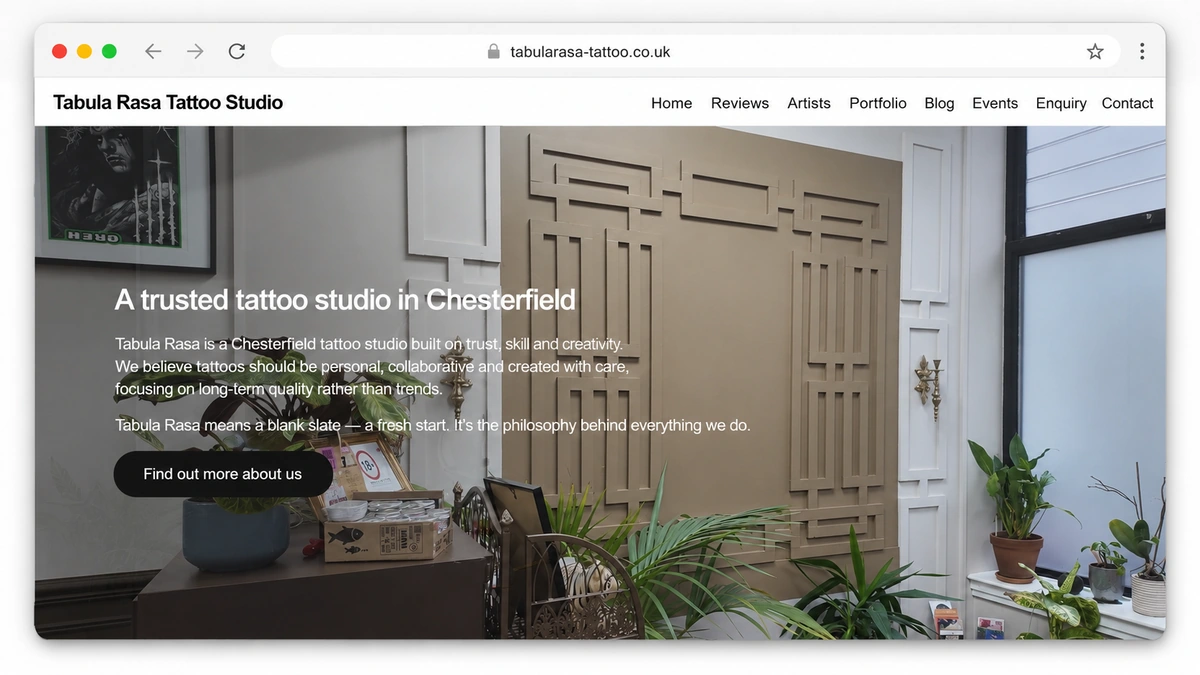
A recent Studio website project for an independent tattoo studio, focused on a clearer customer journey and a stronger first impression.
5-star client feedback
Tabula Rasa Tattoo
Website build
The website now feels much more like us, and gives customers a clearer way to understand the studio and start a booking conversation.
A new website build for an independent tattoo studio, creating a clearer customer journey and a more professional online presence.
The £495 route is for a simple, fixed-scope starter site. If the project needs deeper copy work, more pages, enquiry-flow design, forms, Customer Relationship Management setup, ongoing content support or wider systems thinking, it should be scoped separately.
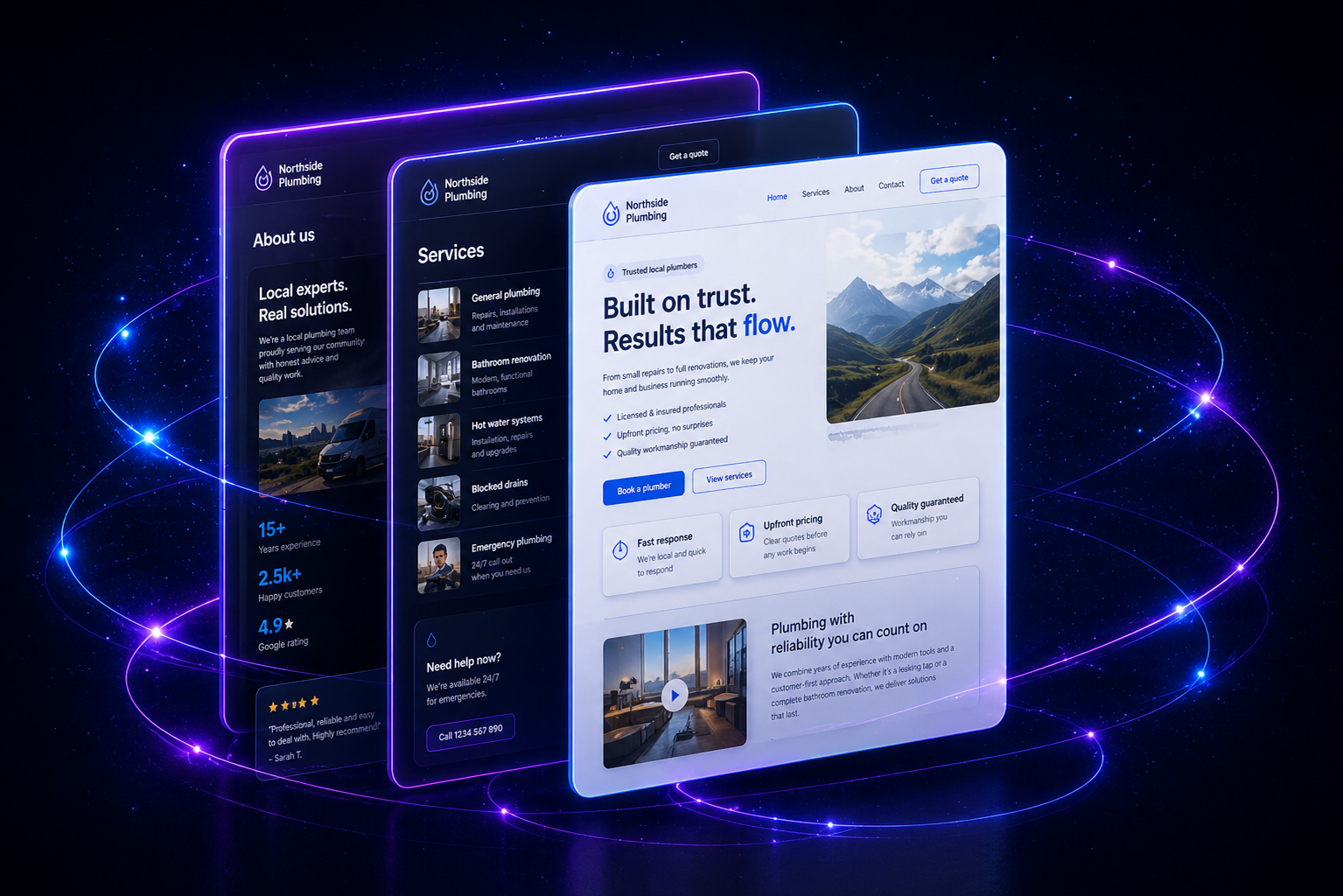
Not every website build needs the same level of work. A simple starter site can be tightly scoped, while fuller builds need more thinking around message, structure, enquiries and follow-up.
These guide prices show common starting points. The right route depends on how much structure, enquiry handling and follow-up your business needs.

Starter
from £495
A clean, fixed-scope online starting point for a small business that needs a simple, credible presence. Useful when you need the basics live quickly without adding extra systems.
Best for getting online quickly with a simple, credible presence.

Practical website
typical projects from £950
A more structured website shaped around what you do, who it is for, and how visitors should take the next step. Useful when your services, pages and message need more thought.
Best for businesses that need clearer structure and stronger next steps.

Enquiry-ready
typical projects from £1,750
Website work plus enquiry forms that collect useful detail and send it to the right place for follow-up. Useful when enquiries need more context than a basic contact form.
Best for generating and handling more enquiries consistently.

Connected workflow
typical projects from £2,950
For businesses that want enquiries, records and follow-up working together. Links new enquiries with tasks, notes and next steps so nothing gets missed.
Best for businesses that need enquiries, records and follow-up working together.
A website is not just one page on a screen. It is a mix of structure, wording, images, forms, hosting, domain settings, security certificates, speed, tracking and sometimes connected systems. Cost usually changes when more parts need to be planned, built, tested and made to work together.
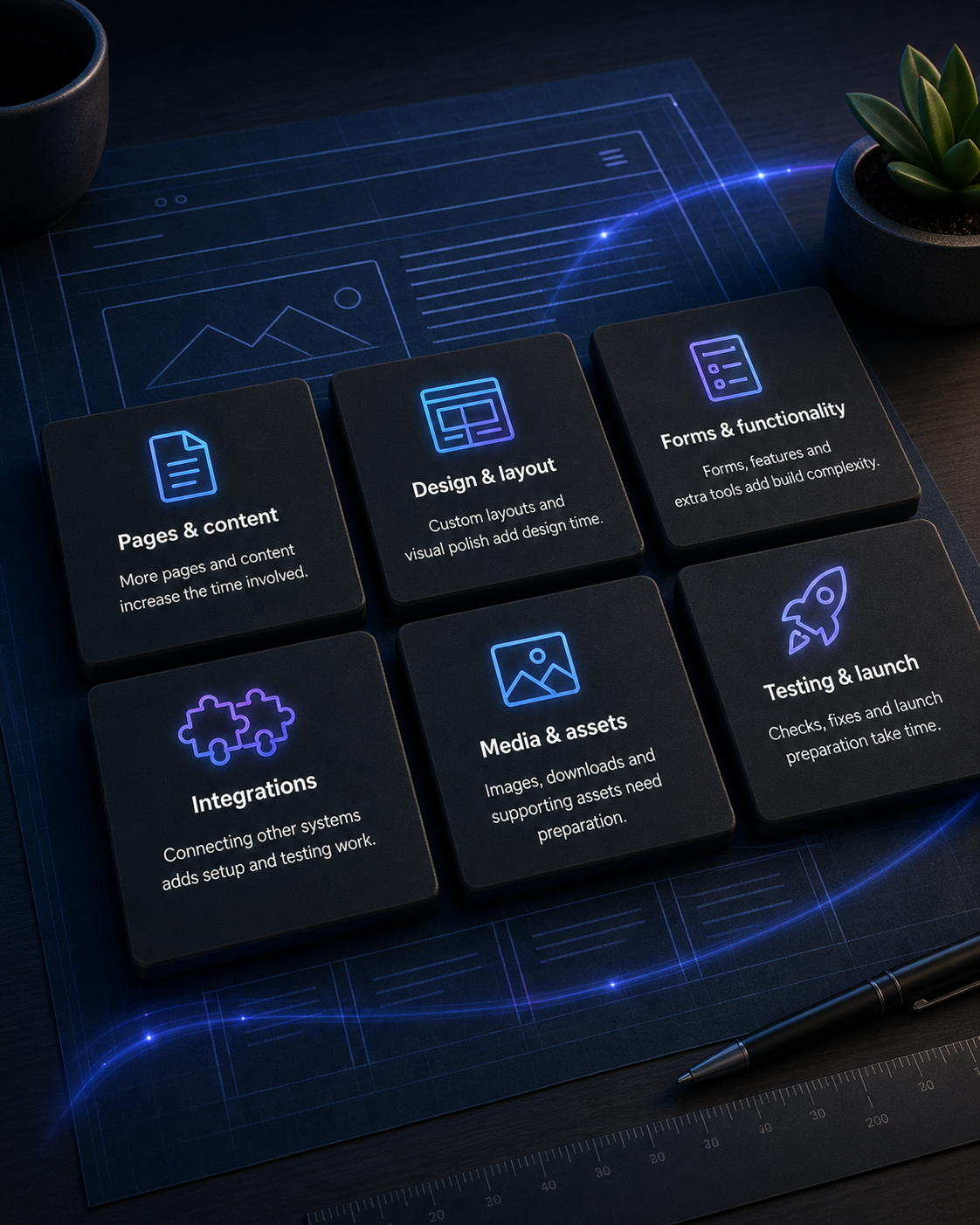
More pages usually mean more structure, messaging and quality assurance.
Rough notes versus finished, web-ready wording and hierarchy.
Stock visuals versus bespoke visuals and how much tailoring you need.
Simple contact paths versus structured forms that land where someone acts on them.
Technical and on-page work that helps search engines understand and surface your pages without guaranteeing rankings.
Static sites versus admin-editable builds, such as Content Management System websites like WordPress and similar.
Connecting enquiries into records, owners and tasks when that is agreed in scope.
Who runs updates, checks and security-aligned housekeeping once the site is live.
A website build can include more than page design. Depending on the route, it may also cover the practical parts that keep the site usable, secure and easy to manage after launch.
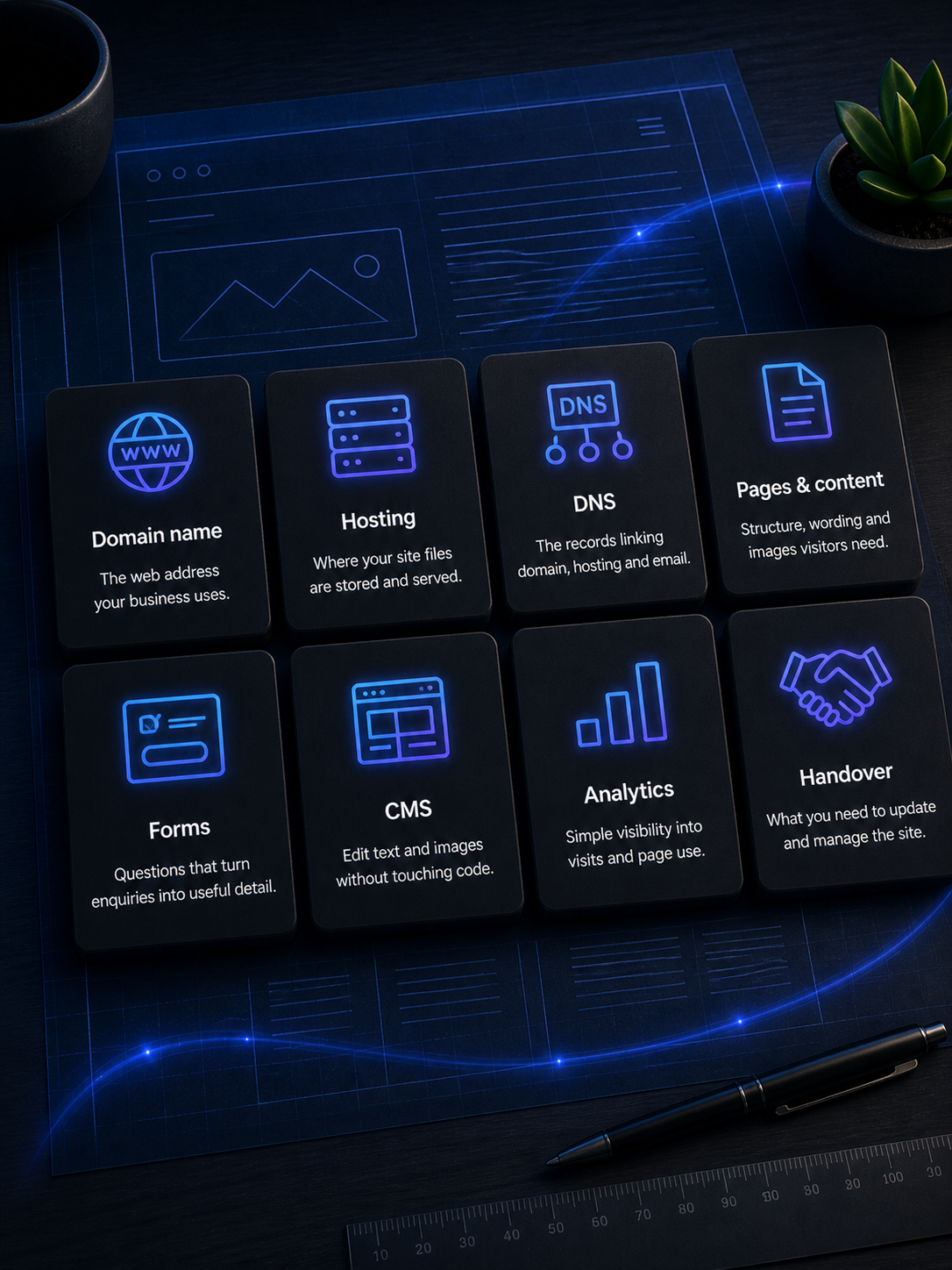
The web address the business uses; keep ownership in the business name.
A reliable place your site files are stored and served to visitors.
The records that connect your domain to hosting, email, and security certificates.
Structure, wording, and images so visitors know what you do and what to do next.
Simple questions that turn an enquiry into useful information, instead of a bare email address with no context.
When you need to edit text or images without touching code, we help choose a simple CMS that matches how you will actually update the site.
Basic, privacy-minded visibility into which pages people use, so you can improve the site without overcomplicating the tracking.
Updates, backups, who to call, and how to make safe small changes after launch.
Both can look professional. The difference is what the website needs to do for your business. A brochure site mainly explains what you offer. An enquiry-ready website also helps the right visitors take the next step and gives your team a clearer way to handle what comes in.
Basic brochure website
A credible professional presence when the main job is to explain the business clearly.
Enquiry-ready website
A website that also helps generate, capture and hand over useful enquiries.
DIY builder: Lowest cost, but it depends on your time and ability to plan the structure, copy and enquiry journey.
Template site: A quick starting point that may still need work to fit your business, content and customer journey.
Freelancer or agency: Can be a good fit; quality, process, support and commercial understanding vary, so compare the fit carefully.
Want to understand your options in more detail?
Explore practical website, CRM and digital guides from Intelixa.
Explore Articles & GuidesA website is easier to manage when responsibilities are clear from the start. The amount of ongoing care depends on how the site is built, how often it changes and who is looking after the basics.
Fewer moving parts and usually simpler to maintain when content changes are occasional.
More flexible for regular content changes, but the extra moving parts need ongoing care.
Tell us what you would like help maintaining and we can discuss the right level of support.
A good website should not just explain what you do. It should guide visitors from interest to action, then leave your business with something you can actually manage.
This is where many websites fall down: the pages exist, but the next step is unclear, weak or badly handled.
Define what you say, who it's for, and how it should be used.
Make it easy for the right people to get in touch or take the next step.
Collect the right details in the right way, without friction.
Logins, routes and a short guide so you can run with confidence.
Keep the website working, current and clear after launch.
We keep builds grounded in how the site will actually be used week to week, not only how it looks on launch day.
We make sure the site is built for the right audience, with a clear next step, and within what you can realistically maintain day to day.
Clear type, simple structure, and guidance on images without novelty for its own sake.
Editing routes, where logins live, and a short, usable handover your staff can follow.
If you need form details to reach the right person or system, that is part of the scope, not a last-minute add-on.
You do not need to have the whole answer before you start. Choose the level of commitment that fits where you are now.
READY TO DISCUSS A WEBSITE
Tell us what you need the website to do and we will help shape the sensible scope.
Start a website enquiryWANT A SMALLER FIRST STEP
A focused first look at your current setup for £195.
Explore Website SnapshotSTILL RESEARCHING
Practical information about websites, CRM and digital decisions.
Explore Articles & GuidesWebsite builds start from £495. The right route depends on the pages, content, enquiry handling and connected follow-up your business needs.
It depends on the agreed scope, how ready the content is and how quickly decisions can be made. We agree the practical plan before work starts.
Yes. We can help shape the message, page structure and next step so the site is clearer for visitors and easier for your team to use.
Yes, where the chosen build supports it. We explain what you can safely change and provide a practical handover.
Your domain remains with your business. We can work with hosting you already use or help align a simple setup, including the DNS changes needed before launch.
They can, where that is part of the agreed scope. We size the form and handoff around what your team can actually reply to and manage.
We can hand the site over for you to manage, or agree ongoing support if you want help with updates, checks and improvements after launch.